Services
Shoulder

Rotator Cuff & Tendon Problems
More info +
Rotator cuff tears and tendon disorders are among the most common causes of shoulder pain and weakness.
Accurate diagnosis and advanced personalized treatment options are provided, including minimally invasive arthroscopy when needed, to help restore strength and mobility.
Shoulder Trauma & Sports Injuries
More info +
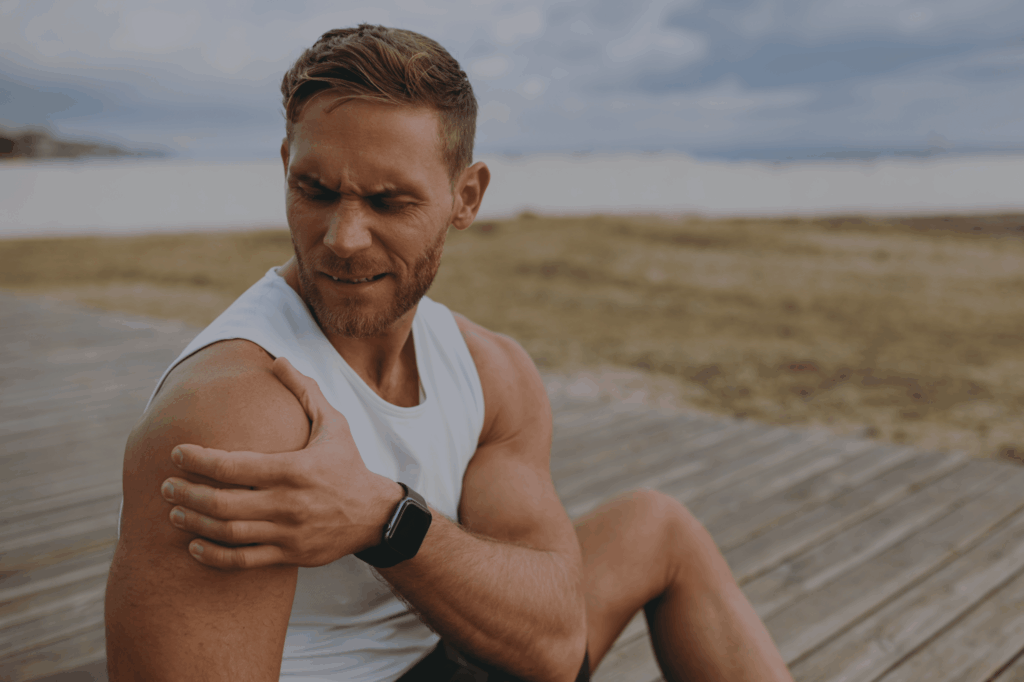
Falls, direct impacts, and sports accidents can lead to acromioclavicular dislocations, fractures, or soft tissue injuries.
Patients are guided quickly and safely back to their daily activities or sport, using evidence-based protocols and minimally invasive techniques.
Shoulder Instability & Labrum Injuries
More info +
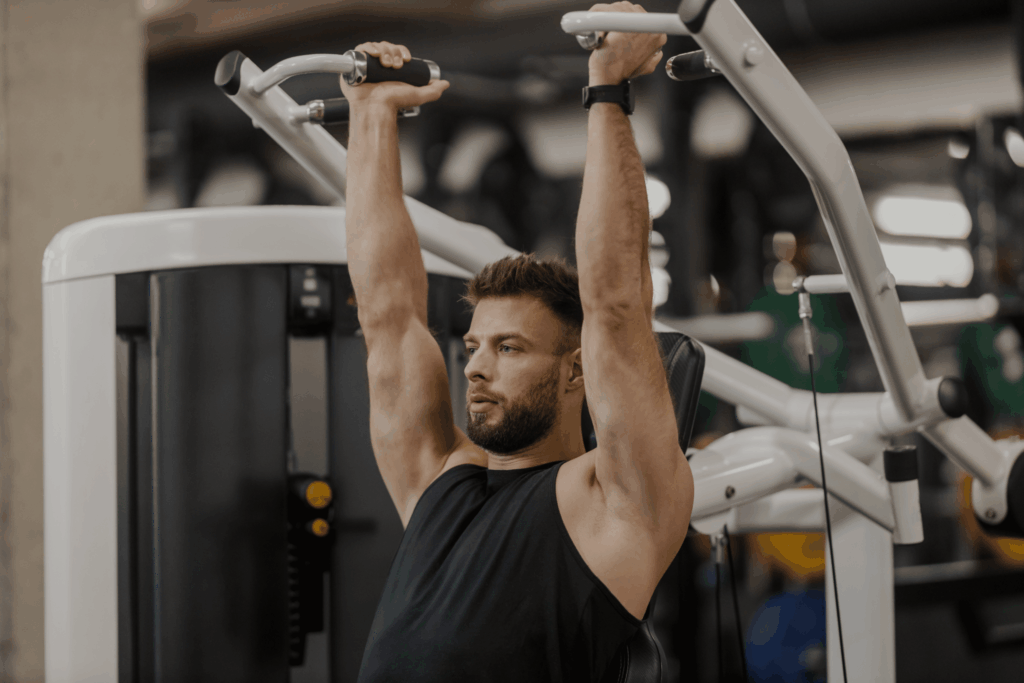
When the shoulder “pops out of place” or feels unstable, it is usually due to damage of the labrum or the surrounding ligaments.
Instability is assessed thoroughly, with both conservative and surgical options available to help patients regain confidence and safely return to full activity.
Ultrasound-Guided
Treatments
More info +
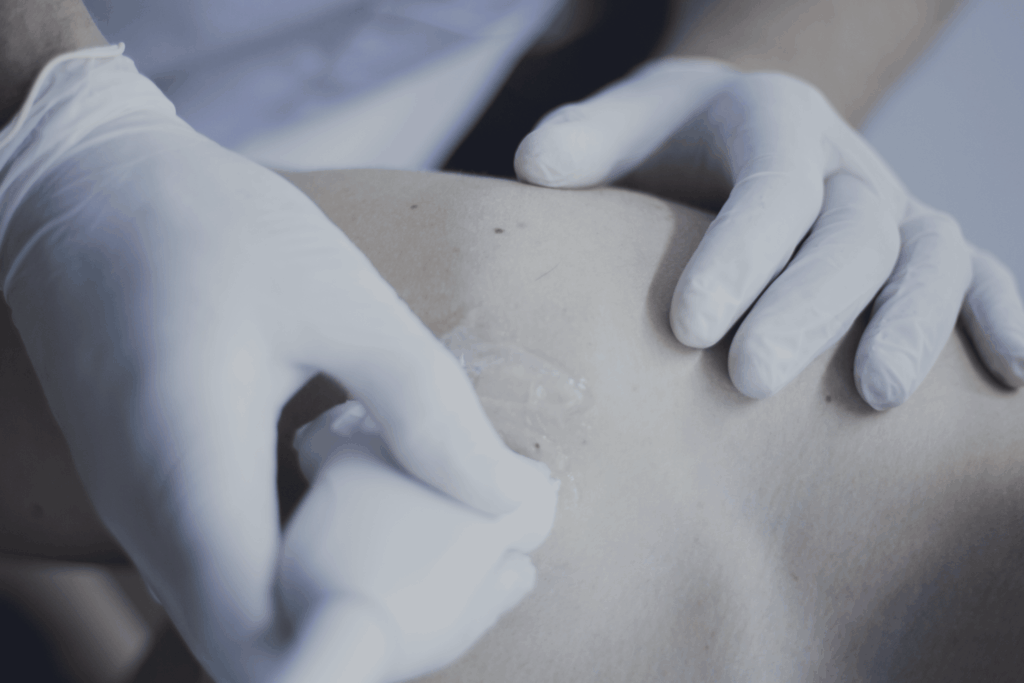
Using high-resolution ultrasound, precise diagnostic and therapeutic procedures—such as barbotage for calcific tendinitis, injections, and PRP—are performed. Real-time guidance increases accuracy and improves outcomes, ensuring safe and effective treatment.

Arthritis & Degenerative Conditions
More info +
Arthritis and degenerative conditions can cause stiffness, loss of motion, and chronic pain.
Treatment plans are tailored to each patient and may include medication, injections, physiotherapy, or shoulder replacement surgery when necessary.
Rehabilitation & Return to Sport
More info +
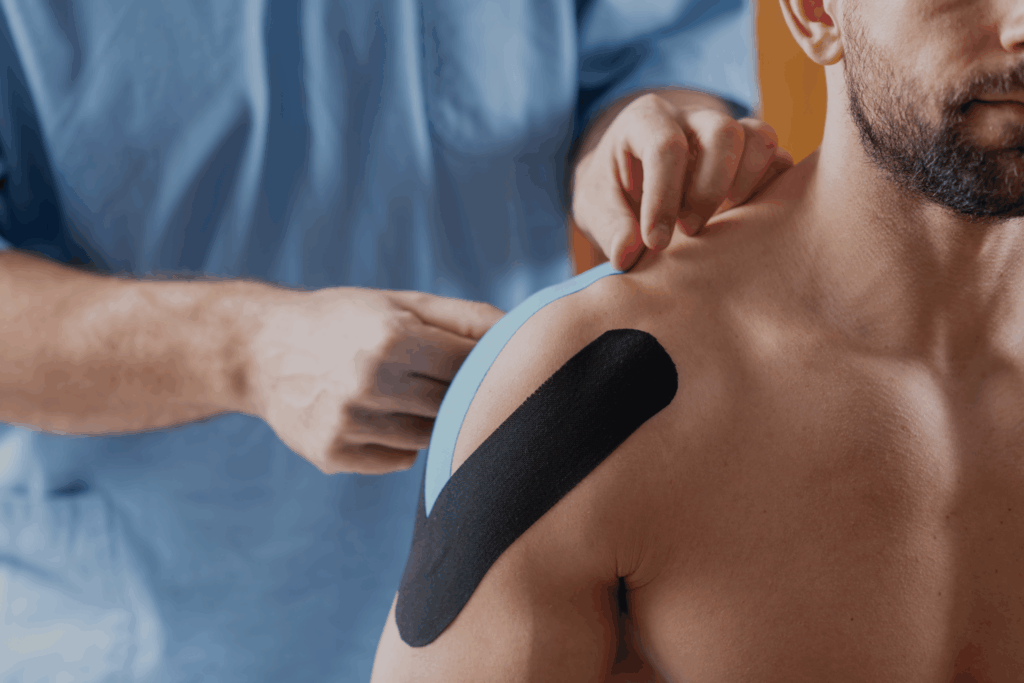
Rehabilitation is essential for full recovery after injury or surgery.
Personalized rehabilitation programs are designed in collaboration with specialized physiotherapy teams to accelerate recovery and ensure a safe return to sport or daily activity
Serving the patients
About Me
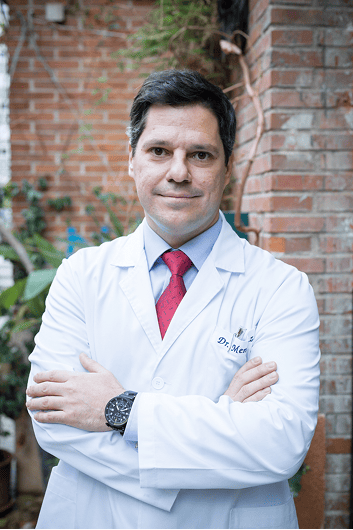
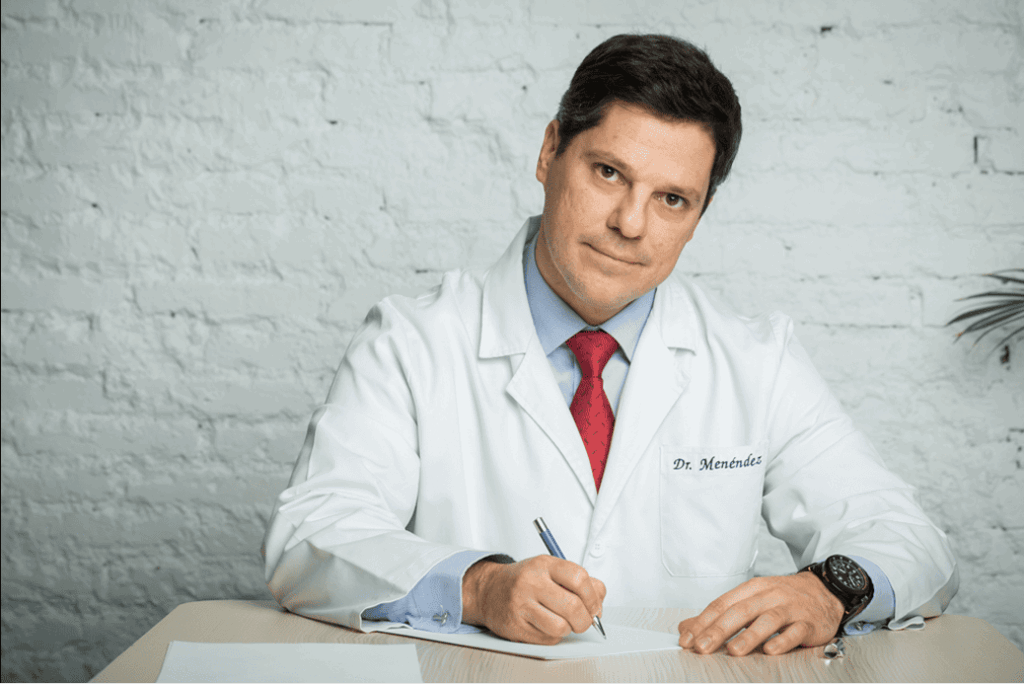
Dr. Pablo Menéndez is an Orthopedic Surgeon specialized in Shoulder Surgery and Sports Traumatology, with more than 17 years of international experience in Spain and the UAE. Expert in advanced arthroscopic techniques, ultrasound-guided procedures, and shoulder replacement, he offers minimally invasive solutions to restore function and improve recovery. With numerous scientific publications and extensive teaching experience at Universidad Alfonso X el Sabio, where he trained medical students and orthopedic residents, Dr. Menéndez combines clinical excellence with academic leadership to provide the highest standard of care.


Services
Shoulder
Rotator Cuff & Tendon Problems
More info +
Rotator cuff tears and tendon disorders are among the most common causes of shoulder pain and weakness.
Accurate diagnosis and advanced personalized treatment options are provided, including minimally invasive arthroscopy when needed, to help restore strength and mobility.
Shoulder Trauma & Sports Injuries
More info +
Falls, direct impacts, and sports accidents can lead to acromioclavicular dislocations, fractures, or soft tissue injuries.
Patients are guided quickly and safely back to their daily activities or sport, using evidence-based protocols and minimally invasive techniques.
Shoulder Instability & Labrum Injuries
More info +
When the shoulder “pops out of place” or feels unstable, it is usually due to damage of the labrum or the surrounding ligaments.
Instability is assessed thoroughly, with both conservative and surgical options available to help patients regain confidence and safely return to full activity.
Ultrasound-Guided
Treatments
More info +
Using high-resolution ultrasound, precise diagnostic and therapeutic procedures—such as barbotage for calcific tendinitis, injections, and PRP—are performed. Real-time guidance increases accuracy and improves outcomes, ensuring safe and effective treatment.
Arthritis & Degenerative Conditions
More info +
Arthritis and degenerative conditions can cause stiffness, loss of motion, and chronic pain.
Treatment plans are tailored to each patient and may include medication, injections, physiotherapy, or shoulder replacement surgery when necessary.
Rehabilitation & Return to Sport
More info +
Rehabilitation is essential for full recovery after injury or surgery.
Personalized rehabilitation programs are designed in collaboration with specialized physiotherapy teams to accelerate recovery and ensure a safe return to sport or daily activity
FAQ
1. What is a rotator cuff tear?
The rotator cuff is a group of four tendons and muscles that stabilize the shoulder and help you lift and rotate your arm. A tear occurs when one of these tendons is damaged or pulled away from the bone.
Symptoms
- Pain on the side of the shoulder, especially at night.
- Weakness when lifting the arm.
- Difficulty performing daily activities like combing hair or reaching overhead.
Treatment options
- Non-surgical: rest, physiotherapy, pain medication, and ultrasound-guided injections.
- Surgical: arthroscopic repair using small incisions to reattach the tendon.
Most patients improve significantly with the right treatment plan
2. How can shoulder pain in athletes be treated?
Shoulder pain is common in athletes, especially in sports like tennis, swimming, or weightlifting. It often results from overuse, instability, or tendon injuries.
Initial management
- Rest and activity modification.
- Physiotherapy to strengthen muscles and correct biomechanics.
- Ice, anti-inflammatory medication, or ultrasound-guided injections.
When surgery is needed
If pain continues or if there is structural damage (like a torn tendon or unstable shoulder), arthroscopic surgery may be required. The goal is always a safe return to sport at the same performance level.
3. What should I expect from a shoulder replacement?
Shoulder replacement is usually recommended for patients with advanced arthritis, irreparable rotator cuff tears, or severe joint damage.
The procedure:
The damaged joint is replaced with a prosthesis (an artificial joint). Depending on the condition, this may be an anatomic prosthesis or a reverse prosthesis.
Recovery
- Short hospital stay (usually 1–2 nights).
- Arm in a sling for a few weeks.
- Structured physiotherapy for 3–6 months.
Most patients report excellent pain relief and better function in daily life.
4. What is shoulder arthroscopy?
Shoulder arthroscopy is a minimally invasive technique where the surgeon uses a tiny camera inserted through small incisions.
Benefits
- Smaller scars.
- Less pain after surgery.
- Faster recovery compared to open surgery.
It is commonly used to treat rotator cuff tears, instability, labral lesions, and calcifications.
5. What are ultrasound-guided procedures?
Ultrasound allows doctors to see the inside of the shoulder in real time and guide the needle precisely to the problem area.
Common uses
- Pain relief with accurate injections.
- Nerve blocks (like the suprascapular nerve block).
- Barbotage (washing out calcium deposits).
- Drainage of cysts or bursitis.
These procedures improve safety and results compared to “blind” injections.
6. How long does recovery after shoulder surgery take?
Recovery depends on the procedure:
- Minor arthroscopy: 4–6 weeks for basic activities.
- Large tendon repair: 4–6 months with physiotherapy.
- Shoulder replacement: 6 months to reach maximum improvement.
Rehabilitation is as important as the surgery itself for a full recovery.
7. Can shoulder problems be treated without surgery?
Yes. Many conditions respond well to conservative treatment:
- Physiotherapy to strengthen and rebalance muscles.
- Rest and activity modification.
- Ultrasound-guided injections for pain and inflammation.
Surgery is only considered if these measures fail or if there is severe structural damage.
8. Why do shoulder problems cause pain at night?
When lying down, the shoulder tendons and bursa are compressed. If there is inflammation or a tear, this pressure causes pain that disturbs sleep.
How to improve it
- Avoid lying on the painful shoulder.
- Use pillows to support the arm.
- Seek treatment to address the cause
9. Will I be able to play sports again after shoulder surgery?
In most cases, yes. The aim of surgery is to restore shoulder function and allow patients to return to sports.
- Recovery time depends on the type of surgery.
- With proper rehabilitation, athletes often return to their previous level of performance.
10. When should I see a shoulder specialist?
Not all shoulder pain needs surgery, but there are warning signs:
- Persistent pain despite rest and medication.
- Pain that wakes you at night.
- Repeated dislocations or instability.
- Weakness or loss of movement.
A specialist can diagnose the problem with clinical examination and imaging and guide you to the best treatment.
Serving the
patients
About Me
Dr. Pablo Menéndez is an Orthopedic Surgeon specialized in Shoulder Surgery and Sports Traumatology, with more than 17 years of international experience in Spain and the UAE. Expert in advanced arthroscopic techniques, ultrasound-guided procedures, and shoulder replacement, he offers minimally invasive solutions to restore function and improve recovery. With numerous scientific publications and extensive teaching experience at Universidad Alfonso X el Sabio, where he trained medical students and orthopedic residents, Dr. Menéndez combines clinical excellence with academic leadership to provide the highest standard of care.


FAQ
1. What is a rotator cuff tear?
The rotator cuff is a group of four tendons and muscles that stabilize the shoulder and help you lift and rotate your arm. A tear occurs when one of these tendons is damaged or pulled away from the bone.
mptoms
- Pain on the side of the shoulder, especially at night.
- Weakness when lifting the arm.
- Difficulty performing daily activities like combing hair or reaching overhead.
Treatment options
- Non-surgical: rest, physiotherapy, pain medication, and ultrasound-guided injections.
- Surgical: arthroscopic repair using small incisions to reattach the tendon.
Most patients improve significantly with the right treatment plan.
2. How can shoulder pain in athletes be treated?
Shoulder pain is common in athletes, especially in sports like tennis, swimming, or weightlifting. It often results from overuse, instability, or tendon injuries.
Initial management
- Rest and activity modification.
- Physiotherapy to strengthen muscles and correct biomechanics.
- Ice, anti-inflammatory medication, or ultrasound-guided injections.
When surgery is needed
If pain continues or if there is structural damage (like a torn tendon or unstable shoulder), arthroscopic surgery may be required. The goal is always a safe return to sport at the same performance level.
3. What should I expect from a shoulder replacement?
Shoulder replacement is usually recommended for patients with advanced arthritis, irreparable rotator cuff tears, or severe joint damage.
The procedure:
The damaged joint is replaced with a prosthesis (an artificial joint). Depending on the condition, this may be an anatomic prosthesis or a reverse prosthesis.
Recovery
- Short hospital stay (usually 1–2 nights).
- Arm in a sling for a few weeks.
- Structured physiotherapy for 3–6 months.
Most patients report excellent pain relief and better function in daily life.
4. What is shoulder arthroscopy?
Shoulder arthroscopy is a minimally invasive technique where the surgeon uses a tiny camera inserted through small incisions.
Benefits
- Smaller scars.
- Less pain after surgery.
- Faster recovery compared to open surgery.
It is commonly used to treat rotator cuff tears, instability, labral lesions, and calcifications.
5. What are ultrasound-guided procedures?
Ultrasound allows doctors to see the inside of the shoulder in real time and guide the needle precisely to the problem area.
Common uses
- Pain relief with accurate injections.
- Nerve blocks (like the suprascapular nerve block).
- Barbotage (washing out calcium deposits).
- Drainage of cysts or bursitis.
These procedures improve safety and results compared to “blind” injections.
6. How long does recovery after shoulder surgery take?
Recovery depends on the procedure:
- Minor arthroscopy: 4–6 weeks for basic activities.
- Large tendon repair: 4–6 months with physiotherapy.
- Shoulder replacement: 6 months to reach maximum improvement.
Rehabilitation is as important as the surgery itself for a full recovery.
7. Can shoulder problems be treated without surgery?
Yes. Many conditions respond well to conservative treatment:
- Physiotherapy to strengthen and rebalance muscles.
- Rest and activity modification.
- Ultrasound-guided injections for pain and inflammation.
Surgery is only considered if these measures fail or if there is severe structural damage.
8. Why do shoulder problems cause pain at night?
When lying down, the shoulder tendons and bursa are compressed. If there is inflammation or a tear, this pressure causes pain that disturbs sleep.
How to improve it
- Seek treatment to address the cause
- Avoid lying on the painful shoulder.
- Use pillows to support the arm.
9. Will I be able to play sports again after shoulder surgery?
In most cases, yes. The aim of surgery is to restore shoulder function and allow patients to return to sports.
With proper rehabilitation, athletes often return to their previous level of performance.
Recovery time depends on the type of surgery.
10. When should I see a shoulder specialist?
Not all shoulder pain needs surgery, but there are warning signs:
- Persistent pain despite rest and medication.
- Pain that wakes you at night.
- Repeated dislocations or instability.
- Weakness or loss of movement.
A specialist can diagnose the problem with clinical examination and imaging and guide you to the best treatment.
Request information